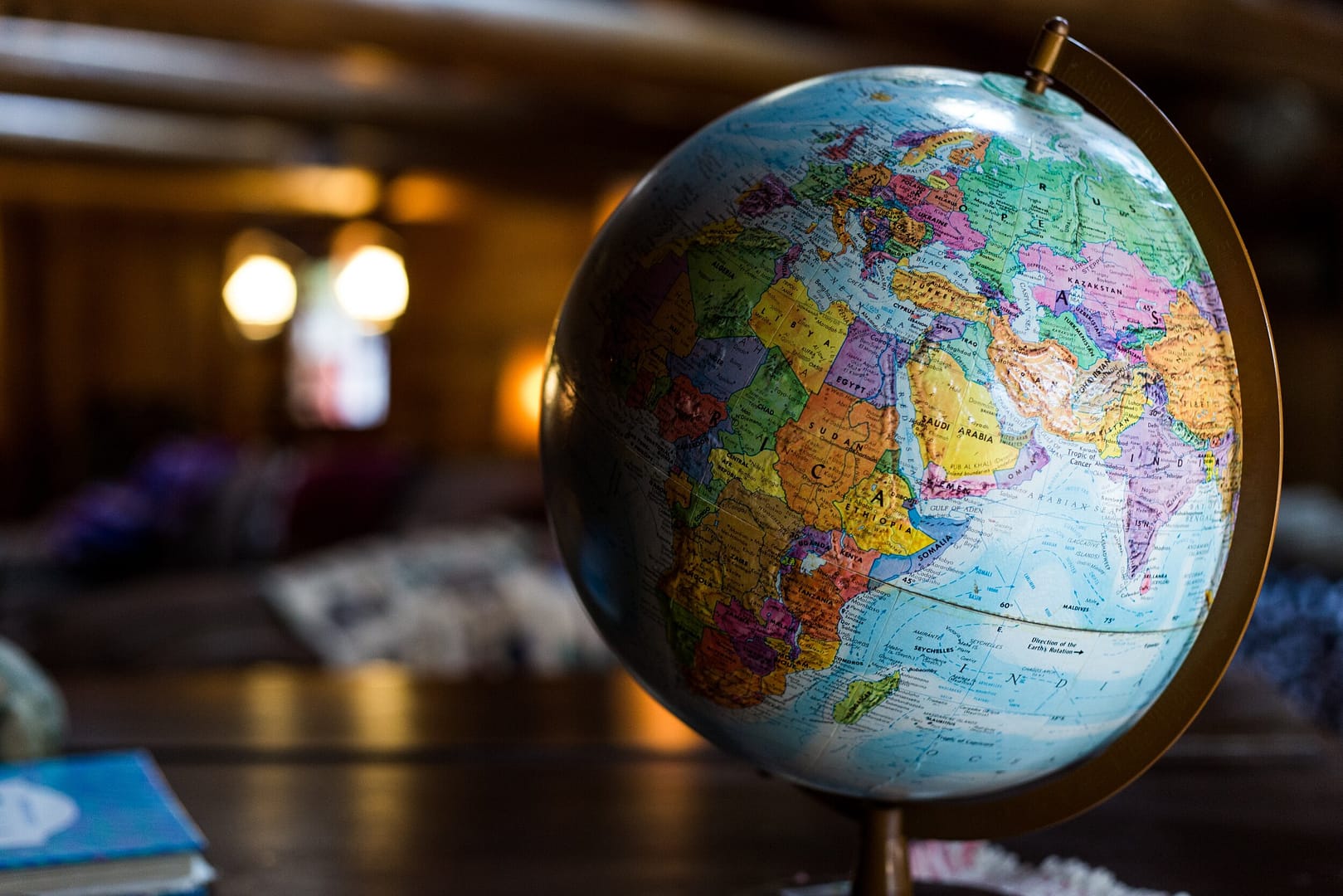
At Fountain Life Ministry, our Vision 2030 is a bold and transformative initiative aimed at spreading the gospel across East, Central, West, and North Africa. We believe that every nation has a unique calling and a unique identity, and we are committed to reaching these diverse regions with the life-changing message of Jesus Christ. Our outreach programs are designed to engage communities effectively for long-term impact. We focus on Discipleship training for missions which lies at the heart of our vision, equipping local believers with the tools and knowledge they need to share their faith confidently. Through Holy Spirit-filled training sessions, we prepare individuals to become passionate ambassadors of the gospel. We also conduct crusades in various locations, where thousands gather to hear the word of God. These events serve as powerful platforms for evangelism and healing ministration. Our commitment to the demonstration of the healing power of Christ is integral to our outreach. Many have experienced miraculous healings, drawing attention to the truth of the gospel and encouraging others to seek a relationship with Christ. In addition to these efforts, we focus on apostolic teachings that build a solid foundation for spiritual growth. By sharing biblical principles and practical applications, we inspire believers to live out their faith in everyday life. Vision 2030 is not just a plan; it is a movement fuelled by passion, prayer, and a commitment to make a lasting impact. As we engage in East, Central, West, and North Africa, we envision a future where the gospel transforms lives, communities, and nations. Join us in this divine mission to share hope, healing, and the love of Christ across the continent. Together, we can make a difference!
Go ye into the whole world!
The call is divine, the work is a lot and the time is short. We must feel the sense of urgency and respond with dedication.
Africa by Religion Facts
Here are key facts about religious demographics in Africa across the five major regions:
1. Southern Africa
- Christianity dominates most countries in Southern Africa, especially in South Africa, Zimbabwe, Zambia, Namibia, and Botswana.
- African Traditional Religions (ATR) and syncretic beliefs coexist with Christianity in some areas.
- Islam has a smaller presence, mostly concentrated in Mozambique and parts of Malawi.
- Secularism is growing in urban areas, though still a minority trend.
2. East Africa
- Christianity and Islam are the two dominant religions.
- Christianity is widespread in countries like Kenya, Uganda, and Tanzania.
- Islam has a strong presence, particularly along the Swahili Coast (Somalia, Kenya, and Tanzania).
- Ethiopia is notable for its ancient Ethiopian Orthodox Church, one of the oldest Christian communities.
- African Traditional Religions (ATR) persist in rural areas, often blended with Christian or Islamic practices.
- South Sudan is majority Christian following its secession from predominantly Muslim Sudan in 2011.
3. Central Africa
- Christianity is the major religion in Central African countries such as the Democratic Republic of Congo (DRC), Angola, and the Central African Republic.
- Roman Catholicism and Protestantism are the most widespread Christian denominations.
- Islam is less prominent but present, particularly in northern regions of the Central African Republic and Chad.
- African Traditional Religions (ATR) are still practiced, particularly in rural areas and among indigenous groups.
4. West Africa
- Islam is the dominant religion in countries like Senegal, Mali, Niger, and northern Nigeria.
- Christianity has a strong presence in southern Nigeria, Ghana, Liberia, and Sierra Leone.
- Many people, particularly in rural areas, adhere to African Traditional Religions (ATR) or practice syncretic faiths combining elements of ATR with Christianity or Islam.
- West Africa is notable for its religious diversity and coexistence, though some areas, such as northern Nigeria, have experienced religious tensions.
5. North Africa
- Islam is the overwhelmingly dominant religion, with the majority of people following Sunni Islam.
- Countries like Egypt, Libya, Tunisia, Algeria, and Morocco are predominantly Muslim, with Islamic practices deeply embedded in cultural and political life.
- Coptic Christians form a significant minority in Egypt, representing the largest Christian community in North Africa.
- Judaism historically had a presence, especially in Morocco, Tunisia, and Egypt, though the numbers have dwindled significantly since the mid-20th century.
These points highlight the varied religious landscape across Africa’s regions, influenced by history, culture, and local traditions.